Roof Repair · the USA
Technicians follow a fixed checklist that covers both exterior and interior elements. Reports are prepared on site so findings can be discussed before departure. Documentation includes measurements and photos rather than general statements.
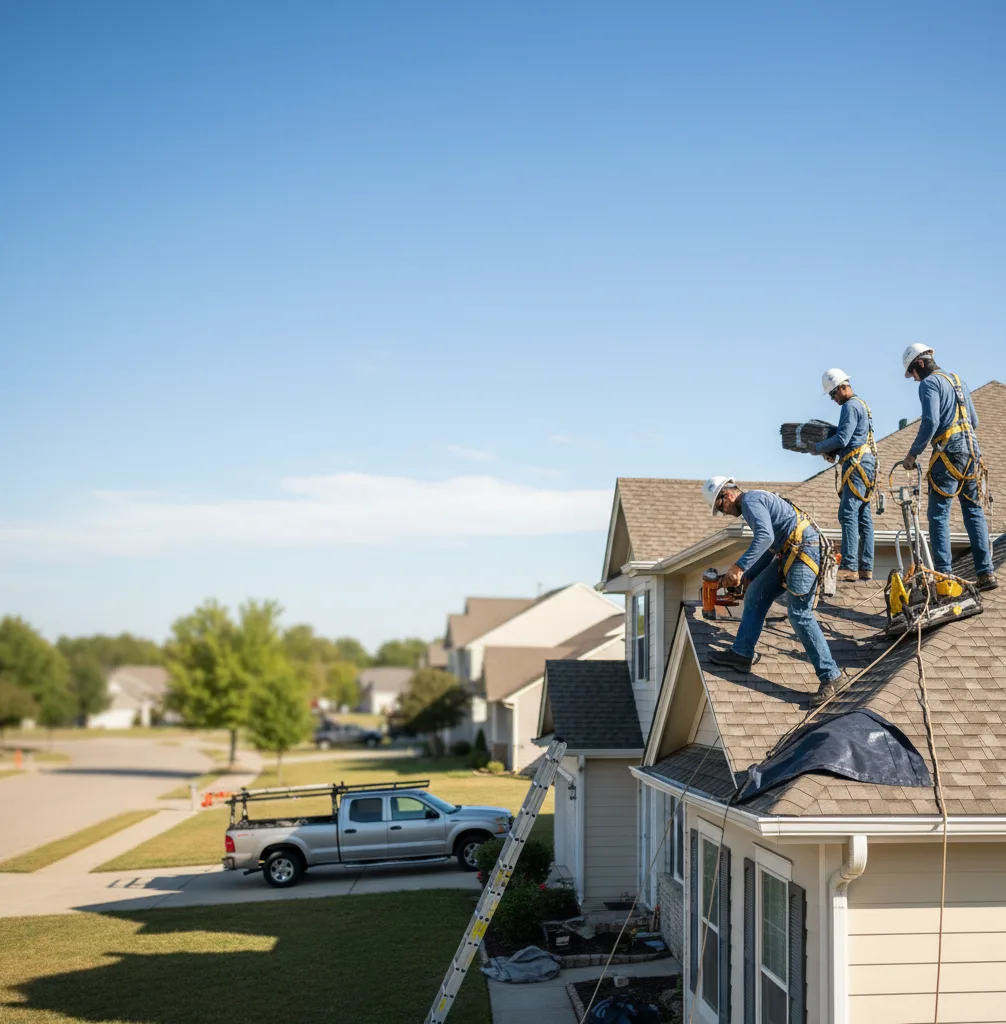
Roof surfaces accumulate wear from weather cycles, temperature changes, and settling that may call for storm damage repair. An inspection begins with a ground-level review of the overall slope and edge alignment before moving to closer observation of shingles for shingle replacement, tiles, or metal panels. Technicians note granule loss, surface cracking, or lifted edges that can allow moisture entry requiring roof leak repair. They also check valleys where two roof planes meet and areas around penetrations such as vents or chimneys. These locations often show the first signs of separation or sealant failure. The written record includes photographs and descriptions so the property owner can review findings without climbing onto the roof.
Interior signs sometimes appear before exterior damage becomes obvious. Discoloration on ceiling surfaces or walls near the roof line can point to slow moisture movement. In the attic, technicians look for daylight visible through the decking, darkened insulation, or mold growth on rafters. They measure ventilation openings to confirm air flow meets the roof area served. When these observations are combined with exterior notes, the report gives a clearer picture of whether immediate repairs or roof maintenance will be sufficient.
FAQ

Interior water marks can come from roof issues but may also trace to plumbing or condensation in the attic. A roof inspection checks the surface and flashing first. If those areas are dry the source is often elsewhere. The inspection helps narrow it down before other trades are called.
Access, the number of layers already on the roof, and whether decking needs attention all affect the scope. Steeper pitches or limited ladder placement can add time. The inspection identifies these factors so the estimate reflects the actual work required.
Small problems can grow when water reaches the decking or insulation. An early check often limits the repair to the original area. If the roof is already older it is useful to know the overall condition before deciding how long to wait.